About the bees and the flowers
Health corner with facts
How many honeybees are required to produce a 250g glass of honey?
The number of honeybees required to produce a 250g jar of honey can vary based on several factors, including the size of the colony, the type of flowers available for the bees to collect nectar from, and the efficiency of the colony in producing and storing honey. However, it is estimated that on average, between 60,000 and 100,000 honeybees working together are required to produce one kilogram of honey. This means that between 15,000 and 25,000 honeybees are needed to produce a 250g jar of honey.
How many eyes does a honeybee have, and why?
A honeybee has two compound eyes, which consist of multiple lenses and photoreceptor cells, and three simple eyes located on top of its head. The compound eyes give the bee unique vision, giving them a wide field of vision and the ability to see ultraviolet light. The simple eyes are used to detect changes in light intensity and direction, which helps the bees navigate and find their way back to the hive.
How do honeybees navigate to a specific flower and how do they communicate this to the other worker bees?
Honeybees navigate to a specific flower using a combination of visual cues, such as the color, shape, and pattern of the flower, as well as their sense of smell. They communicate the location of the flower to other worker bees through a dance known as the "fan dance." The fan dance involves a specific pattern of movements that communicate the direction and distance to the flower in relation to the sun and the colony. Other worker bees observe the dance and use the information to find the flower and bring nectar and pollen back to the colony.
How can a worker bee remember communication from another worker bee through the fan dance?
A worker bee communicates the location of a food source to other worker bees through a dance called the "fan dance." The dance involves the bee moving in a figure-eight pattern, where the angle and duration of the fan indicates the direction and distance of the food source relative to the sun. Other worker bees can interpret this information and use it to locate the food source. The bee performing the dance is thought to store the information in its short-term memory, allowing it to remember and communicate the location to other bees. Research suggests that this communication process through the fan dance is a very effective way for bees to share information and find food.
Describe geometrically the fan dance of a worker bee
The worker bee fan dance is a series of movements that help communicate the location of a food source, usually nectar or pollen, to other worker bees. The dance consists of a figure-eight pattern performed in the air with a fan movement followed by a return flight. The angle of the fan movement relative to the vertical and the duration of the dance provide information about the distance and direction to the food source relative to the sun. The more the angle is tilted to the right or left, the more the food source is located in that direction. The duration of the fan movement and the number of fan movements provide an indication of the distance to the food source. These geometric patterns help other worker bees understand the direction and distance of the food source and find their way to it.
Can honeybees navigate in 100% cloudy weather?
Honeybees have been shown to have some difficulty navigating in 100% cloudy weather, as they use the sun as a reference point to guide their foraging. In completely cloudy conditions, they have to rely on other cues, such as polarization patterns in the sky, which are less reliable and consistent compared to the sun. However, research is still ongoing, and it is still not fully understood how honeybees navigate in cloudy conditions.
Why do honeybees have four wings?
Honeybees have four wings for efficient and coordinated flight. The two forewings and two hindwings work together in a synchronized manner to provide lift, stability, and control in the air. The forewings are slightly longer than the hindwings and move in sync, providing the necessary lift and energy to propel the bee forward. The hindwings provide stability and maneuverability, helping the bee make sharp turns and control its flight path. Having four wings allows honeybees to fly with speed and precision, enabling them to efficiently collect nectar and pollen from flowers.
What are 10 facts about honeybees that are not widely known?
- Honeybees are able to recognize and remember human faces.
- The lifespan of a worker bee is only 6 weeks.
- Honeybees can fly up to 24 km/h.
- Honeybees communicate through scent, pheromones, and dance.
- The queen bee can lay up to 2,500 eggs per day.
- Honeybees can fly in rainy weather and even collect nectar from flowers in the rain.
- Honeybees have a highly organized social structure, with each bee having a specific role to play.
- Honeybees' wings beat 11,400 times per minute, creating their characteristic buzz.
- Honeybees can control the temperature inside the hive by flapping their wings.
- Honeybees are responsible for pollinating over 80% of the world's crops, including almonds, apples, and avocados.
Why is biodiversity important for honeybees?
Biodiversity is important for honeybees because it provides a variety of plants for the bees to feed on, which in turn provides a variety of nectar and pollen sources. This diversity of food sources helps maintain the health of the bee colony and also supports their overall population. In addition, a diverse landscape of flowers and other plants helps ensure that the bees have a continuous food source year-round, reducing the risk of starvation and promoting population stability. Overall, maintaining biodiversity helps support the well-being of honeybees and their populations, and contributes to the overall health of the ecosystem.
How have climate change, deforestation, and the use of pesticides led to the decline of honeybees?
Climate change, deforestation, and the use of pesticides have led to the decline of honeybee populations in several ways:
Climate change: Climate change has resulted in earlier flowering seasons and a shift in migration patterns, which may disrupt the availability of food sources for honeybees.
Deforestation: Deforestation reduces the amount of land available for flowering plants and food sources for honeybees, which can lead to declining populations.
Pesticides: The use of pesticides can be toxic to honeybees, causing them to become disoriented, reducing their ability to reproduce and feed, and ultimately leading to death. In addition, pesticides can also harm the development of their colonies, reduce the number of queens produced, and cause the disappearance of worker bees.
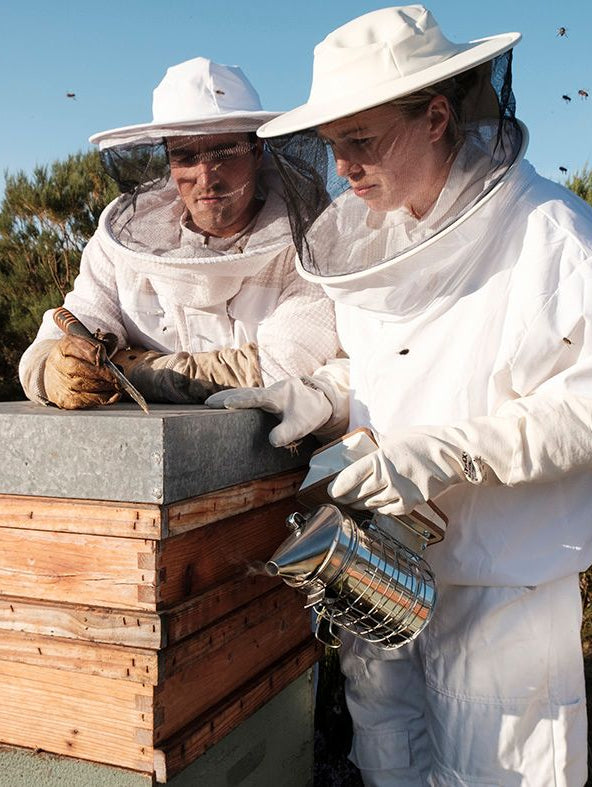
About the Honey Exchange
We strive to offer Denmark's best prices, especially for our functional honeys with high MGO or TA values, without compromising on quality.
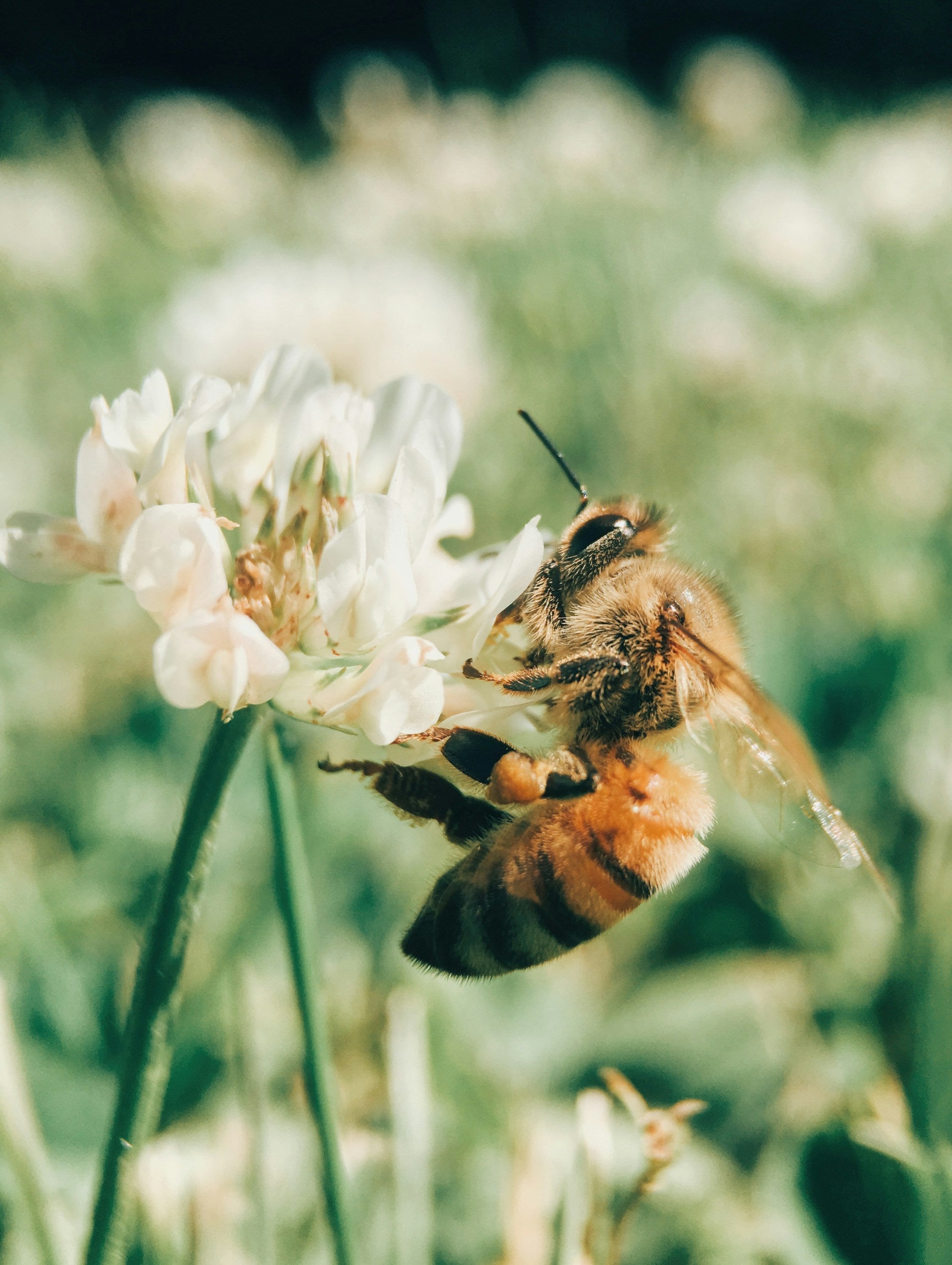
TA and MGO Honey
Functional honey is known for its strong antimicrobial properties, and two of the most prominent types are TA (Total Activity) and MGO (Methylglyoxal) honey.

About Manuka honey
Manuka honey is known for its antibacterial power. Research shows that it can effectively fight bacterial strains like MRSA and promote the healing of wounds and infections.